Paint Correction & Ceramic Coating in Tennessee: What They Actually Do (And What They Don’t)
Most people searching for paint correction or ceramic coating aren’t really looking for a product — they’re looking for clarity. They want to know what actually works, what lasts, and what’s worth the investment in a climate like Tennessee.
This blog exists to answer those questions honestly, without marketing shortcuts or exaggerated claims.
What Does Paint Correction Actually Remove?
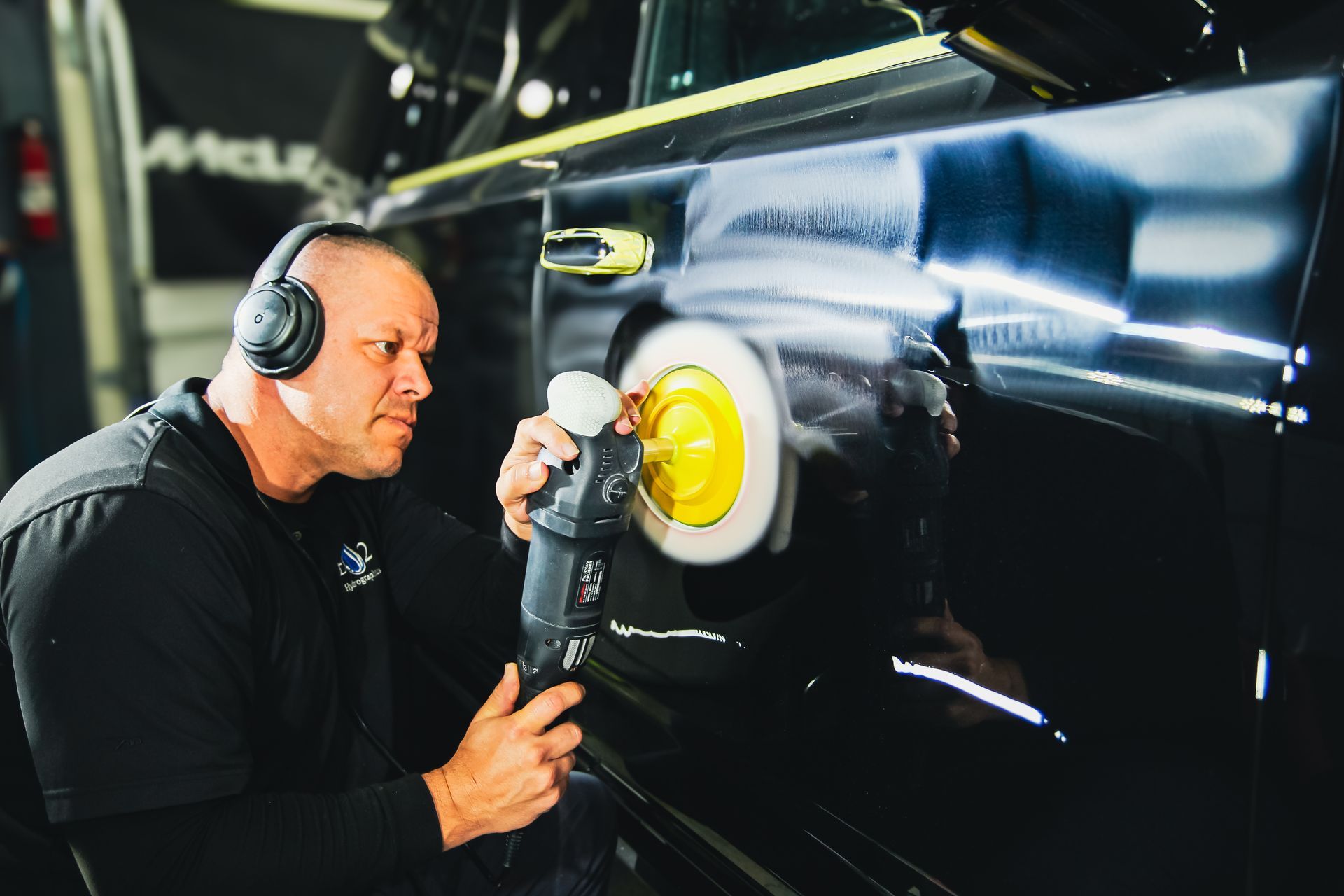
Paint correction is the controlled process of refining automotive clear coat to reduce or remove surface-level defects. It is a mechanical process, not a chemical one, and it involves removing a very small amount of clear coat to level imperfections.
Paint correction can remove or significantly reduce:
- Wash-induced swirl marks
- Light to moderate scratches
- Oxidation and dullness
- Water spot etching (depending on severity)
- Improper polishing or dealership marring
Paint correction cannot remove:
- Scratches that penetrate through the clear coat
- Rock chips
- Peeling or failing clear coat
- Damage already into the base color
There are no permanent shortcuts here. Every vehicle has a finite amount of clear coat, which is why experience, testing, and restraint matter more than aggressive polishing.
In Tennessee, where vehicles face heavy pollen, humidity, UV exposure, and frequent washing, paint defects tend to build gradually. Proper correction can make a meaningful improvement when done correctly and conservatively.
How Long Does Professional Paint Correction Take?
Paint correction time is influenced by:
- Vehicle size and paint condition
- Paint hardness (which varies by manufacturer)
- Desired level of correction
- Previous polishing or improper work
Typical timeframes:
- Single-stage correction: approximately 8–15 hours
- Multi-stage correction: 20–30+ hours
If someone promises a full correction in just a few hours, something is being skipped. Either the paint isn’t being fully evaluated, defects are being temporarily masked, or meaningful correction simply isn’t happening.
Proper paint correction requires testing, panel-by-panel evaluation, and refinement. Rushing this process almost always shows later.
Is Ceramic Coating Worth It in Tennessee Humidity?
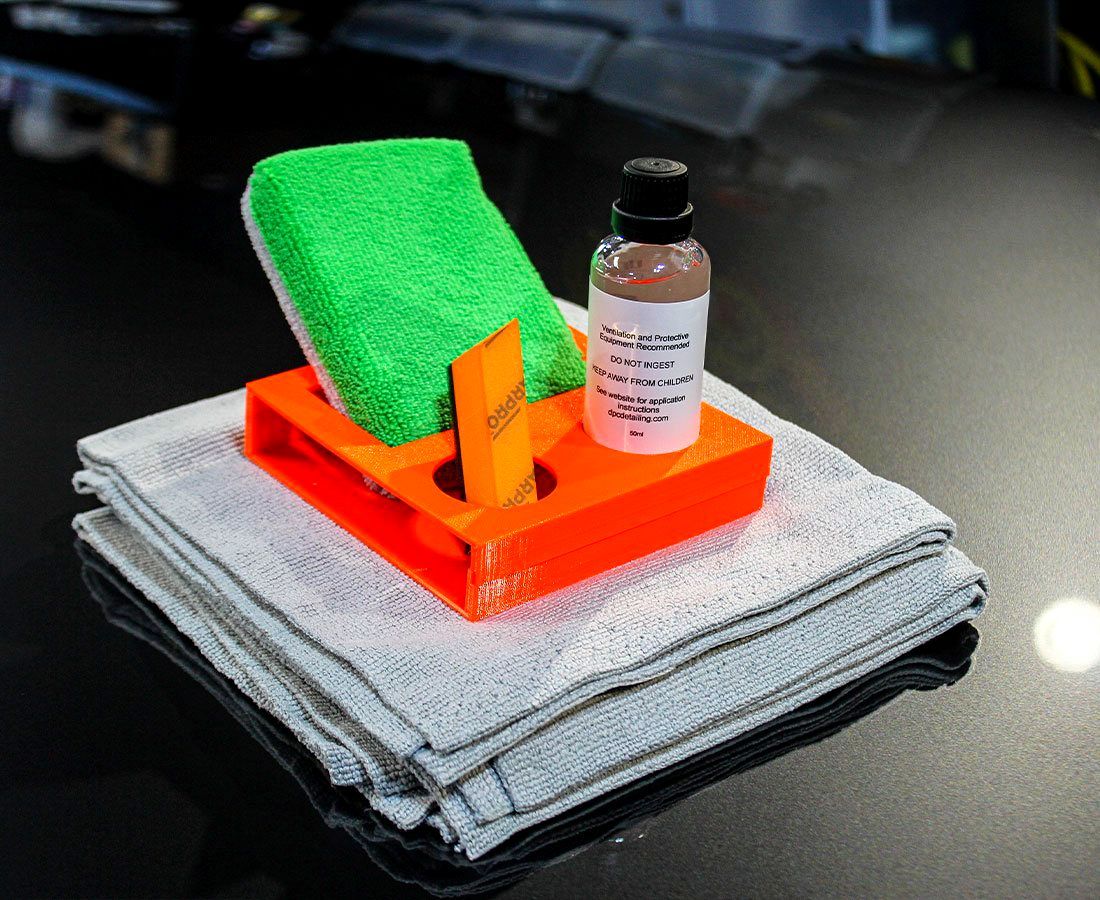
What a ceramic coating can do:
- Make routine washing easier
- Improve chemical resistance
- Reduce how tightly dirt and grime bond to the surface
- Help maintain gloss longer than traditional waxes or sealants
What a ceramic coating does not do:
- Prevent scratches
- Make a vehicle maintenance-free
- Eliminate water spotting
- Protect against poor washing habits
In Tennessee’s humid environment, ceramic coatings tend to:
- Be more susceptible to mineral-rich water spotting
- Require controlled application and curing conditions
- Benefit greatly from proper maintenance
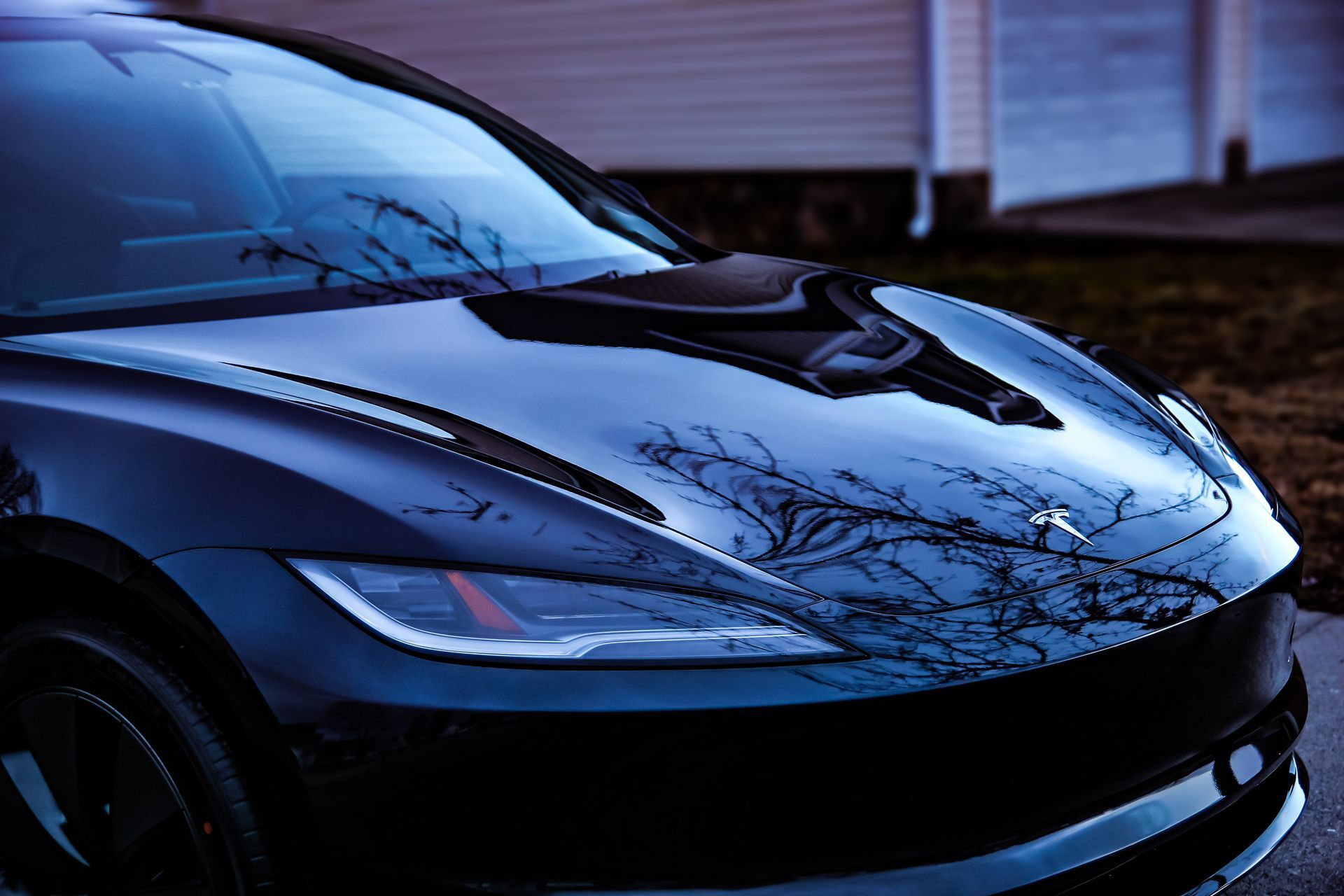
A ceramic coating works best when applied to properly corrected paint and paired with safe washing techniques. It is a tool for longevity and ease of maintenance — not a guarantee against neglect or environmental exposure.
What Should New Vehicle Owners Know Before Ceramic Coating?
New vehicles are NOT defect-free!
Many (Almost All) new cars arrive with:
- Transport marring
- Factory Buffing trails
- Dealership-installed swirl marks
- Light scratches from improper washing or prep
Applying a ceramic coating without addressing these defects will lock them in.
Before coating a new vehicle, owners should understand:
- Light paint correction often improves results dramatically
- Surface preparation matters more than the brand of coating
- The installer’s environment and process are just as important as the product
Ceramic coating is a finishing step. It does not repair paint — it preserves the condition it’s applied over.
Why Local Conditions Matter in Chattanooga, Ringgold, and North Georgia
Vehicle protection isn’t universal — it’s environmental.
In this region, vehicles are exposed to:
- Heavy seasonal pollen
- Red clay dust
- High humidity
- Frequent rain followed by intense sun
- Freezing winters and road salt
Even well-maintained vehicles experience constant environmental stress. Long-term results come from realistic protection strategies, conservative correction, and proper maintenance — not buzzwords or exaggerated promises.
This approach is based on real-world experience working on daily drivers, new vehicles, and corrected finishes throughout Ringgold, Chattanooga, and North Georgia.
Final Thoughts
Paint correction and ceramic coating are tools, not miracles.
When used correctly, they can:
- Improve appearance
- Simplify maintenance
- Help paint look better for longer
But only when expectations match reality!
Honest evaluation, proper preparation, and disciplined execution are what deliver results that last. That’s how real value is created.
Contact Us
Share with your friends